Basil seeds and chia seeds are both becoming more and more common ingredients in health-conscious diets these days. Whether they are consumed as smoothies, breakfast bowls, or even traditional beverages, these seeds are becoming the favorite go-to pick for anyone looking for dietary fiber, minerals, and nutrients from plants.
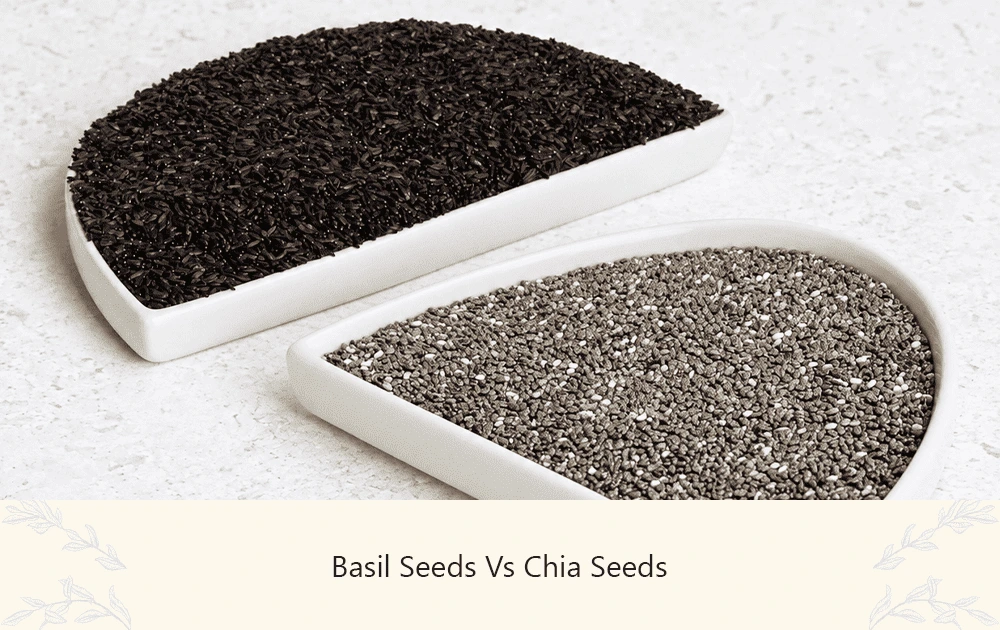
But when it comes to basil seeds vs chia seeds, the confusion still remains. The two types of seeds look almost the same. Both seeds have black colour, both transform into gelatinous mass when soaked in water, and are often recommended for digestive and hydrating purposes.
However, basil and chia seeds are not the same. They are distinct in terms of nature and nutrient content and different in application in real life.
Basil seeds, or sabja seeds/tukh malanga, are usually popular in South Asian drinks like falooda and summer refreshing drinks, while the fame of chia seeds stretches across the world, due to their fiber, omega-3 fatty acids, and protein content.
So which one should you choose?
The answer depends on your health goals.
In this detailed guide, we will compare basil seeds vs chia seeds, their benefits, nutrition, weight loss potential, differences, and how you can include them in your daily routine.
What are Basil Seeds?
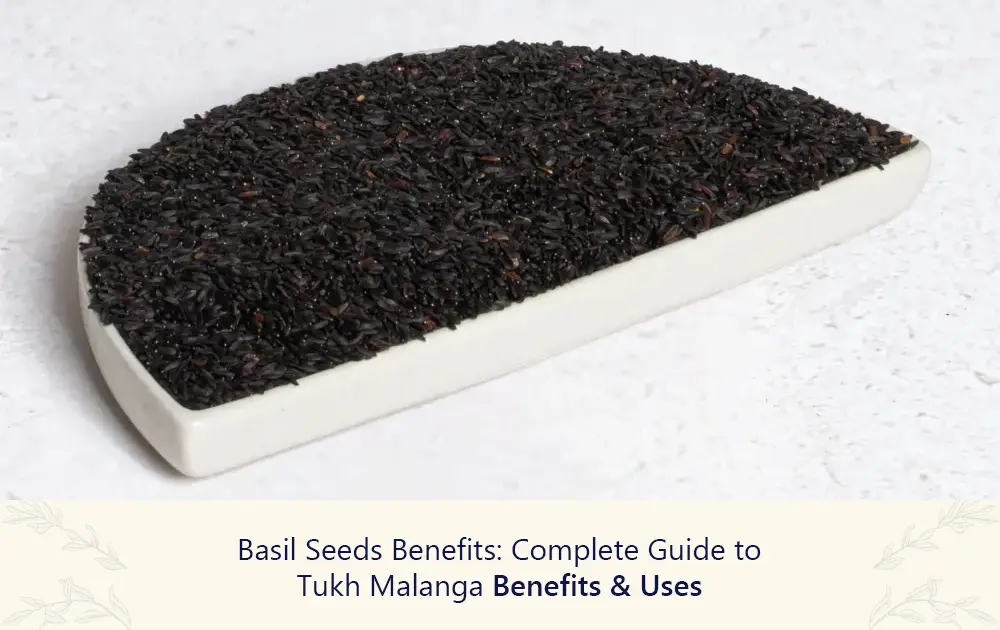
Basil seeds, also known as sabja seeds or tukh malanga, are derived from the sweet basil plant, scientifically known as Ocimum basilicum.
While many people view basil as just a cooking herb, the seeds of the basil plant have been utilized over centuries in many traditional recipes, especially in South Asian and Middle Eastern cuisine.
When soaked in water, basil seeds form a translucent jelly covering. This property is what makes them a popular ingredient in foods and drinks such as:
- Falooda
- Lemon Beverages
- Dairy-based drinks
- Smoothies
- Desserts
- Healthy drinks in summer
Basil seeds are notably favoured during the summer months because of their cooling property and water-absorbing tendency.
For people looking to add basil seeds to their diet, choosing fresh and properly packed seeds is important. You can explore Bombay Dry Fruits Basil Seeds (Tukh Malanga), which are available as part of their premium seeds collection.
What Are Chia Seeds?
Chia seeds originated from the plant known as Salvia hispanica, found in former Central American areas.
These tiny seeds became widely used in modern culinary arts due to their superior nutritional characteristics. Rich in:
- Dietary fibre
- Plant protein
- Omega-3 fatty acids
- Calcium
- Magnesium
- Antioxidants
Unlike the basil seeds, chia seeds are frequently used in healthy recipes today like:
- Overnight oatmeal
- Chia pudding
- Smoothies
- Yogurt bowls
- Energy bars
- Home-made snack bars
Upon soaking, chia seeds absorb water forming a thick gel-like consistency, which gives it a preference for consumption as an ingredient in meal preparation.
If you want to include chia seeds in your daily diet, you can check Bombay Dry Fruits Chia Seeds, available online for convenient use in smoothies, breakfast recipes, and healthy meals.
Basil Seeds vs Chia Seeds Nutrition Comparison
Both seeds provide health benefits, but they differ slightly in their nutritional profiles.
| Nutrient |
Basil Seeds |
Chia Seeds |
| Calories |
Similar |
Similar |
| Dietary Fiber |
Very High |
Very High |
| Protein |
Moderate |
Higher |
| Omega-3 Fatty Acids |
Contains healthy fats |
Rich source |
| Calcium |
Good source |
Good source |
| Magnesium |
Good source |
Higher amount |
| Antioxidants |
Present |
Present |
Both seeds can be used as part of a healthy diet. Chia seeds are particularly known for their omega-3 content, while basil seeds are valued for their high fiber content and quick soaking time.
Basil Seeds vs Chia Seeds: Key Differences
Despite their superficial resemblance, basil seeds and chia seeds have several important differences in their plant source, appearance, soaking time, taste, and common uses.
1. Plant Source
Basil Seeds
Basil seeds are derived from the sweet basil plant, scientifically known as Ocimum basilicum.
Basil seeds are also commonly referred to as:
- Tukh Malanga
- Sabja Seeds
- Tukhmaria Seeds
- Tukhm-e-Rehan
- Falooda Seeds
- Tukhm-e-Balanga
Chia Seeds
Chia seeds are obtained from Salvia hispanica, a plant belonging to the mint family. Chia seeds are widely regarded as a nutrient-dense superfood ingredient because of their fiber, protein, healthy fats, and mineral content.
2. Visual Difference
Basil seeds and chia seeds can look similar at first glance, but there are some noticeable differences in their appearance before and after soaking.
Basil Seeds
- Small in size.
- Usually black in color.
- Slightly oval in shape.
Chia Seeds
- Slightly larger than basil seeds.
- Can be black, grey, or white with spotted patterns.
- More rounded in shape.
After soaking:
- Basil seeds develop a clear, translucent outer covering quickly.
- Chia seeds absorb water and develop a thicker gel-like coating.
3. Time for Soaking
One of the noticeable differences between basil seeds and chia seeds is how quickly they absorb water.
Basil Seeds
Basil seeds generally expand and develop their gel-like coating within around 10–15 minutes, making them convenient for beverages and quick recipes.
Chia Seeds
Chia seeds generally take around 20–30 minutes to absorb water and develop their characteristic gel-like consistency. They can also be left to soak for longer when preparing recipes such as chia pudding or overnight oats.
4. Taste and Use
Both basil seeds and chia seeds have a relatively mild taste, making them easy to add to different foods and beverages.
Basil Seeds Are Best For
- Falooda
- Lemon water
- Traditional drinks
- Desserts
Chia Seeds Are Best For
- Smoothies
- Breakfast bowls
- Oatmeal
- Chia pudding
Basil Seeds vs Chia Seeds: Health Benefits
1. Gut Health and Digestion
Both basil seeds and chia seeds can be useful additions to a balanced diet because they contain dietary fiber.
When soaked in water, the soluble fiber in these seeds absorbs water and forms a gel-like texture. Including fiber-rich foods in the diet can support:
- Regular bowel movements
- Feeling full for longer
- Healthy digestion
Basil seeds may be a convenient option for people looking to add fiber to drinks because they develop their gel-like coating relatively quickly.
2. Weight Loss: Basil Seeds vs Chia Seeds
Both basil seeds and chia seeds can be included as part of a balanced weight-management plan. However, neither seed directly burns body fat. Weight loss generally depends on overall calorie intake, physical activity, eating habits, and other lifestyle factors.
Their high fiber content may help support a weight-management routine by:
- Promoting feelings of fullness
- Adding fiber to meals and drinks
- Helping reduce unnecessary snacking
Using Basil Seeds to Support Weight Management
Basil seeds can be a convenient option because they absorb water when soaked and may help increase feelings of fullness when included in a balanced diet.
Using Chia Seeds to Support Weight Management
Chia seeds are often included in weight-management diets because they provide fiber, protein, and healthy fats, which can help make meals more satisfying.
Winner: Tie — both can support weight management when used as part of a balanced diet.
3. Maintaining Blood Sugar Levels
High-fiber foods can be part of a balanced diet for people who are looking to manage their overall blood sugar levels.
Both chia seeds and basil seeds contain fiber and form a gel-like consistency when soaked. Fiber can slow digestion and may influence how quickly carbohydrates are absorbed when consumed as part of a meal.
People with diabetes or other blood sugar-related conditions should speak with their healthcare provider before making significant changes to their diet.
4. Heart Health Benefits
Chia seeds have attracted attention for their content of alpha-linolenic acid (ALA), a plant-based omega-3 fatty acid.
Omega-3 fatty acids are an important part of a balanced diet and can contribute to overall cardiovascular health.
Basil seeds also contain healthy fats and can be incorporated into a varied diet through drinks, desserts, and other recipes.
5. Skin and Hair Benefits
Healthy skin and hair depend on overall nutrition, adequate hydration, good lifestyle habits, and proper care.
Both chia seeds and basil seeds provide nutrients that can contribute to a balanced diet, including:
- Antioxidants
- Minerals
- Healthy fats
- Plant-based nutrients
Including a variety of nutrient-rich foods and seeds in a balanced diet can contribute to overall nutritional health, which supports healthy skin and hair.
Which Seed Is Better: Basil or Chia Seeds?
The answer depends on your individual dietary preferences and health goals. Both seeds offer fiber and can be incorporated into a balanced diet in different ways.
Why Choose Basil Seeds?
- They are a good source of dietary fiber.
- They absorb water quickly when soaked.
- They are commonly used in refreshing drinks.
- They have a long history of use in traditional beverages and recipes.
- They have a light, gelatinous texture when soaked.
Why Choose Chia Seeds?
- They are rich in dietary fiber.
- They provide plant-based omega-3 fatty acids.
- They contain more protein than basil seeds.
- They are widely used in smoothies, oatmeal, and puddings.
- They are a versatile ingredient for nutrient-rich recipes.
Can You Eat Basil Seeds and Chia Seeds Together?
Yes, both basil seeds and chia seeds are edible when prepared appropriately. Many people also combine them in the same dish or beverage to enjoy their different textures and nutritional properties.
Let’s consider a simple recipe:
Healthy Seed Drink
Ingredients
- 1 tsp basil seeds
- 1 tsp chia seeds
- 1 glass of water
- Lemon juice (optional)
- Honey (optional)
Method
- Soak the basil seeds and chia seeds separately in water.
- Wait until both seeds develop their characteristic gel coating.
- Mix the soaked seeds with water and your preferred flavoring.
- Serve and drink fresh.
Using both seeds together can add variety to the drink while providing nutrients from both seeds.
Side Effects of Basil Seeds and Chia Seeds
Basil seeds and chia seeds are generally well tolerated when consumed in appropriate amounts. However, consuming too much fiber at once may cause digestive discomfort in some people.
Possible digestive issues may include:
- Bloating
- Gas
- Digestive discomfort
Tips for Consuming Basil and Chia Seeds
- Start with small amounts and gradually increase your intake.
- Drink plenty of water when increasing your fiber intake.
- Soak basil seeds before consuming them.
- Use chia seeds appropriately in meals and beverages.
- Avoid consuming excessive amounts of seeds at once.
People with swallowing difficulties or certain medical conditions should consult a healthcare professional before adding large amounts of fiber-rich foods to their diet.
 Item added to your cart
 Don't miss on your Loyalty Points!