There are many questions surrounding food when it comes to being pregnant and being in the exciting time of your life. During this period, expectant mothers tend to be very selective about their nutrition in order to provide the best nutrition possible for themselves and the baby. Pregnant women have many questions about peanuts; whether they are safe and healthy or not, their nutritional benefits and how much intake is appropriate.
In this blog, all your questions are answered — So, let’s find out if peanuts are truly good for pregnant women and safe to eat.
Can Pregnant Women Eat Peanuts without Risk?
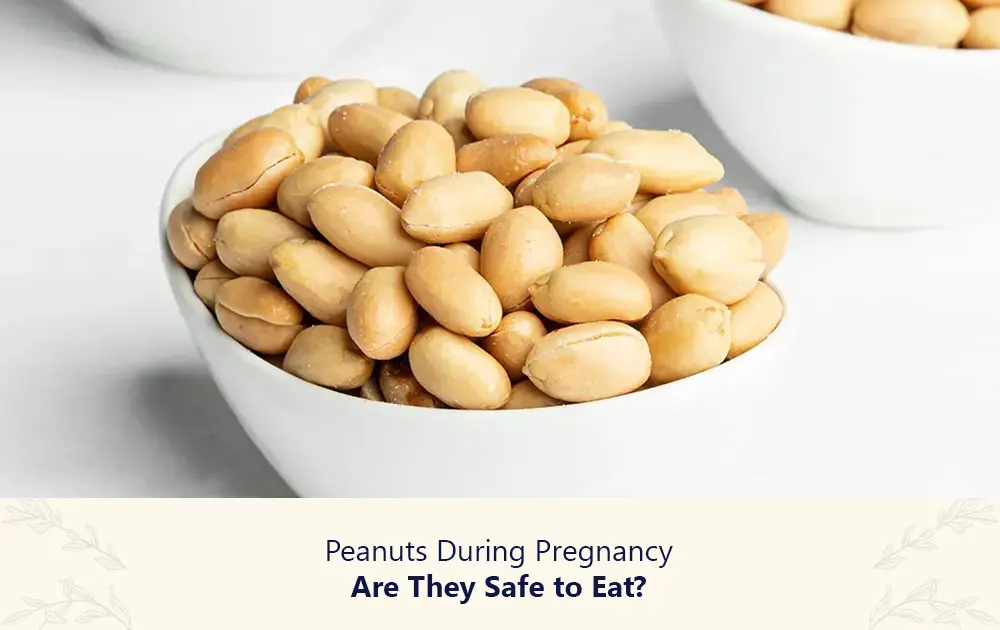
Unless the woman is allergic to peanuts, they are typically safe to eat as part of a healthy diet while pregnant.
Recent studies have concluded that there is no correlation between eating peanuts during pregnancy and an increased likelihood of developing peanut allergies for the baby. Additionally, ingesting peanuts during pregnancy may lower the baby's/toddler's risk of developing a peanut allergy by exposing them to pre-existing peanut proteins present in the mother’s diet.
Health professionals and dieticians agree that peanuts provide important vitamins and minerals to pregnant women and are safe to eat in moderation.
Health Benefits of Eating Peanuts During Pregnancy
1) Promoting Baby's Brain Health
Peanuts contain healthy fat and protein, which support brain cell formation during pregnancy and promote cognitive development. Consuming peanuts regularly in moderate quantities can assist in the proper development of your baby's nervous system.
2) High Folate Content
Folate is very important early in pregnancy to lower the risk of having a baby with neural tube defects such as spina bifida. Peanuts are a natural source of folate, making them an excellent option to include in a developing mother's diet. Eating foods rich in folate will lead to a healthy, developing fetus.
3) Assist With Maintaining Blood Sugar Levels
Peanuts contain a low glycemic index, which helps stabilize blood sugar levels. Peanuts are composed of protein, fat, and fiber slow the digestion of food and the release of glucose into the blood. This means peanuts are a good snack to avoid the downside of sugar levels dropping suddenly.
4) Constipation Relief & Digestive Support
During pregnancy, many women experience constipation due to hormonal shifts. Peanuts' fiber content helps facilitate bowel movements and promotes digestive wellness. Regular peanut consumption will lead to smooth digestion.
5) Reduces The Risk of Anemia
Peanuts are a source of iron, which is critical for pregnant women at risk of developing anemia. Iron is important for creating blood and increasing the amount of oxygen that flows through both the mother and the fetus. Eating peanuts in combination with foods high in vitamin C will increase the absorption of iron.
6) Promoting Heart Health
Peanuts' monounsaturated fat content helps to maintain healthy cholesterol levels. It is essential to have a healthy heart during pregnancy because the body pumps more blood than normal. Peanuts benefit cardiovascular health and decrease inflammation.
7) Enhances Energy
Pregnancy can lead to fatigue caused by hormonal shifts and demands on energy. Peanuts are a quick source of energy with healthy fat, protein, and fiber. They provide a steady source of energy and do not increase blood sugar levels quickly.
8) Bone & Muscle Development
Peanuts are rich in magnesium, which promotes bone strength and muscle function. Magnesium can reduce muscle cramps often experienced by pregnant women, promote tissue repair and support the baby's skeletal growth.
9) Boost Immunity
Peanuts provide antioxidants, such as Vitamin E, which strengthen the immune system. A strong immune system during pregnancy protects both the mother and the baby. Additionally, antioxidants support normal cell growth and help reduce inflammation.
10) Healthy Weight Gain
Peanuts provide nutritionally dense calories for healthy weight gain during pregnancy. Because of their balanced macro-nutrient profile, they satisfy hunger longer than other foods, meaning you will be less prone to snacking and will therefore adhere to a balanced diet.
How Many Peanuts Should Pregnant Women Eat?
When consuming peanuts during pregnancy, moderation is the most critical factor. Peanuts are a wonderful source of protein, healthy fats, fiber, and several essential vitamins; however, pregnant women should be cautious about the number of peanuts consumed due to their calorie density.
Recommended Daily Intake
Recommended serving size for peanuts during pregnancy is a small handful, or approximately 25-30 grams of peanuts a day. This serving size contains an adequate supply of nutrients a woman needs for a sustainable amount of energy, fetal growth, and good overall health, while not causing an increased risk of excessive fat gain.
Best Ways to Eat Peanuts During Pregnancy
There are several ways pregnant women can get the most benefit from peanuts during pregnancy:
- Choose unsalted peanuts to limit the amount of sodium in your diet (too much sodium can result in excessive water retention and/or high blood pressure).
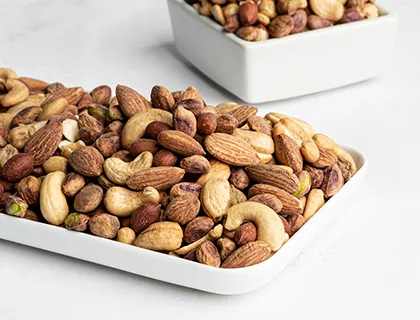
- Choose dry roasted or boiled peanuts; dry roasted and/or boiled peanuts typically have fewer added substances than roasted peanuts, which can make them easier to digest.
- Choose natural peanut butter without added sugars and/or oils, as this is a great way to consume your peanuts and avoid trans fats.
Pregnant women should also pay attention to their body's response to peanuts. If you experience bloating, high levels of acid, or indigestion after consuming peanuts, try reducing your peanut intake to see if this relieves these symptoms or switching to boiled peanuts, as boiled peanuts are generally easier on the stomach than roasted peanuts.
Who Should Avoid Peanuts While Expecting
Peanuts are considered safe to eat for most pregnant women. However, there are instances where they may need to avoid or restrict intake. All pregnancies are unique; therefore, being in tune with your body and your individual health status will determine what is appropriate for you.
1. Pregnant Women Who Have an Existing Peanut Allergy
If a woman already knows that they are allergic to peanuts, then they should not eat any peanuts during their entire pregnancy. Even a tiny amount of peanuts could cause an extreme allergic reaction; symptoms could include swollen skin, itching, hives, or trouble breathing. Since during pregnancy a woman may have a higher level of sensitivity to allergens, it is better to eliminate any possibility of having a reaction altogether, and to stay away from all forms of peanut-based food products.
2. Pregnant Women Who Have Digestive Problems Due to Eating Peanuts
Some of the pregnant ladies may experience different gastrointestinal symptoms after eating peanuts, such as feeling gassy, bloated, acidity, or abdominal pain. These symptoms are usually caused by the fact that peanuts have a very high fat and fiber content. When this occurs:
- Reduce the amount of peanut intake.
- Switch to eating boiled peanuts as they tend to be softer and easier to digest than raw peanuts.
- Stay away from fried or flavored peanuts, as this type of product could potentially irritate your intestines.
Remember, everyone is different. What works for one pregnant lady may not work for another.
3. Women Who Have Gestational Diabetes
Peanuts are low glycemic but still high in calories and should only be consumed in small amounts by women who have gestational diabetes to prevent large fluctuations in calories. You should discuss your daily intake with a doctor or dietitian if you need to control blood sugar levels.
4. Women Who Have High Blood Pressure or Fluid Retention (Edema)
Eating salted peanuts increases sodium intake, which may increase blood pressure and/or cause edema in women who have high blood pressure or fluid retention. To reduce the risk of high blood pressure and swelling, women should:
- Choose unsalted, dry-roasted peanuts
- Monitor their sodium intake overall.
5. Women Who Have Heartburn or Frequent Acid Reflux
Peanuts are high in fat, which, for some women, may trigger acid reflux (heartburn) symptoms during pregnancy. If you frequently experience acid reflux during your pregnancy, you may want to limit your intake or avoid peanuts altogether.
Why Choose Quality Peanuts During Pregnancy?
After learning the tremendous benefits of peanuts and understanding that they are safe to eat during pregnancy, you may now be looking for clean, fresh, and high-quality peanuts. The reality is that while there are many kinds of peanuts available, not all are of high quality and hygienically processed. Some lower-grade peanuts may include unhealthy additives, stale oils or contaminants that are unhealthy for women who are pregnant.
In Pakistan, numerous varieties of peanuts are available, such as boiled, dry roasted or flavoured peanuts. When pregnant, it is essential to consume only safe and organic types of peanuts; this will contribute to better food nutrition, purity and taste.
Therefore, choose Bombay Dry Fruits for fresh, hygienically processed and premium quality peanuts in Pakistan.
Conclusion
In conclusion, peanuts are an excellent source of nutrition for both expectant mothers and their growing babies. Consuming peanuts in their purest form will yield the most health benefits. Peanuts provide expectant mothers with numerous nutrients (including protein, folate, healthy fats, iron, magnesium and antioxidants) that help maintain the mother's health and baby's healthy growth and development. Although most expectant mothers may safely consume peanuts, those suffering from nut allergies, digestive issues or who have certain medical conditions should take care to discuss the consumption of peanuts with a healthcare professional before eating.
 Item added to your cart
 Don't miss on your Loyalty Points!